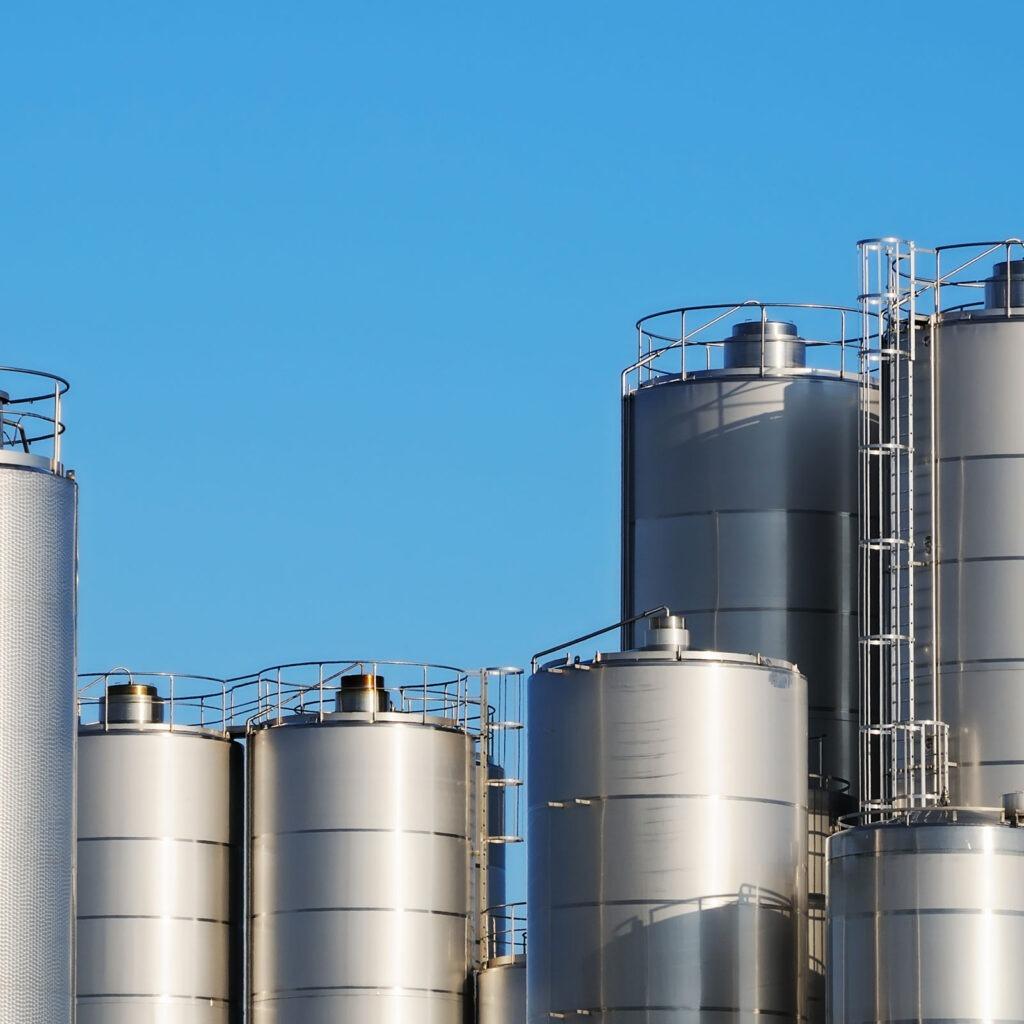
Diesel fuel supports generators, heavy equipment, heating systems, and industrial operations. Over time, water, dust, rust, and fuel breakdown products settle at the bottom of a tank and form sludge. This buildup can block filters, affect fuel flow, and cause engine trouble. A few simple maintenance steps keep fuel cleaner and equipment ready for use. These practices help keep diesel fuel storage tanks safe and protect fuel quality.
Keep water out of the tank
Water ranks among the biggest causes of sludge. Moisture enters from condensation, damaged seals, open vents, or contaminated fuel. Inspect tank covers, vents, caps, and fittings regularly. Keep these parts clean and secure. Install a suitable water separator when the fuel system supports one. Drain collected water from the tank at scheduled intervals. Removing water early stops rust and microbial growth from gaining ground.
Check fuel quality regularly
Poor fuel quality contributes to sediment and sludge formation. Check incoming diesel before adding it to the tank. Look for cloudiness, unusual color, visible particles, or signs of water. A fuel test also gives useful information about contamination and degradation. Schedule testing at suitable intervals for storage conditions and fuel usage. Clean fuel starts with good fuel entering the tank.
Clean the tank on schedule
Even with good fuel practices, sediment slowly settles at the bottom. Inspect the tank interior during scheduled maintenance. A professional tank cleaning service removes sludge, sediment, rust flakes, and other deposits. Cleaning intervals vary according to tank size, fuel turnover, storage conditions, and contamination levels. Keep records of inspections and cleaning dates so maintenance stays organized.
Control microbial growth
Microbes grow where diesel and water meet. Their activity produces dark sludge, acids, and other contaminants that harm fuel systems. Removing water provides a strong first step. If testing confirms microbial contamination, use an appropriate fuel biocide according to its product instructions. After treatment, remove dead microbial material and water from the tank. This helps stop fresh deposits from returning.
Protect the tank from dirt
Dust and debris enter through damaged seals, open access points, and poorly maintained vents. Keep tank openings closed when technicians perform inspections or refueling. Use suitable filtration during fuel transfer. Replace clogged filters promptly and inspect transfer equipment for dirt or rust. Clean surroundings also reduce contamination risks.